What is Product Management?
In simple words,
Product Management is about solving user problems in a way that also makes business sense.
Let’s take a quick example:
Swiggy
- User problem > “I’m hungry, I want food fast”
- Business goal > Make money from orders
- PM’s job > Balance both
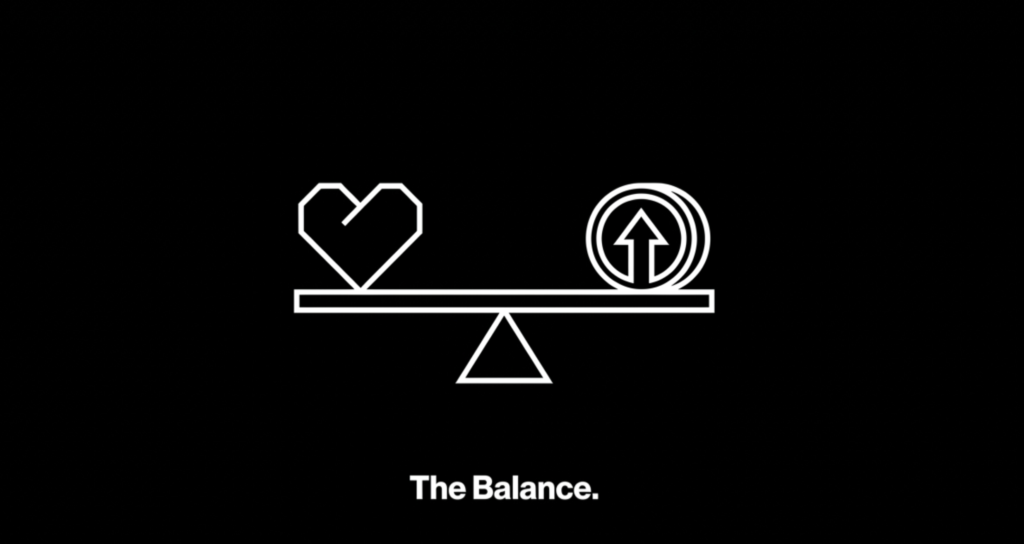
A Product Manager’s job is to make sure both sides work properly:
- Users are happy
- Business is growing
Product Manager vs Project Manager
This is where most people get confused.
Here’s the simplest way to understand:
- Product Manager > Decides what to build and why
- Project Manager > Manages how and when to build
Example:
- Product Manager: “Let’s build 10-minute delivery”
- Project Manager: “We’ll launch this feature in 3 months”
One line to remember:
Product Manager = Direction
Project Manager = Execution
Roles and Responsibilities of a PM
A Product Manager does a mix of things every day.
Main responsibilities:
- Understand users (what they really need)
- Decide what features to build
- Work with designers and developers
- Prioritise what is important
- Track results (is it working or not?)
They essentially form a bridge between different teams, such as engineering, design, marketing, sales, and customer support, ensuring a seamless transition from product development to product release.
In startups, it’s even more real:
- You won’t have fixed roles
- You’ll do a bit of everything
Key Skills You Need
A Product Manager is not just one type of person. You need a mix of skills:
- Product thinking > What should we build?
- Data thinking > What is working?
- Communication > Align everyone
- Business sense > Will this make money?
Important truth:
You don’t need to be the best at everything, but you should be good at everything.
Because decisions made by the product manager directly influence the strategic direction, design, functionality, and commercial success of the product. So to do that, you have to be at that level of understanding on each area.
Product Development Lifecycle
Every product goes through different stages. Understanding this is very important.
1. Development Stage
This is where the product is being built.
- You create the first version (MVP)
- Focus is on launching fast
Goal: Don’t overbuild, just start
2. Introduction Stage
Now the product is live.
- Very few users
- You are testing if the idea works
Goal: Get early users and feedback
3. Growth Stage
Now things start working.
- Users increase
- Business starts growing
Goal:
- Scale the product
- Improve user experience
4. Maturity Stage
Product becomes stable.
- Growth slows down
- Competition increases
Goal:
- Keep users engaged
- Improve small things
5. Decline Stage
Product starts losing users.
- Market changes
- People move to alternatives
Goal:
- Either improve or pivot
- Or shut down
Final Understanding
A lot of people think:
“Product Managers just build features”
But the real thinking is:
Where is my product right now, and what should I do next?
Because what you do changes at every stage.